
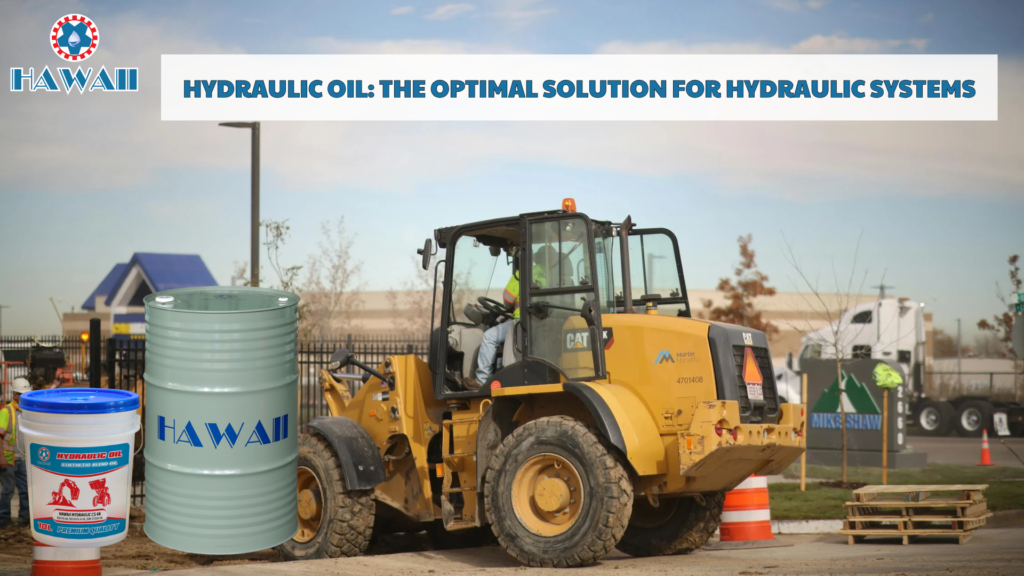
Hydraulic oil is an essential component in any hydraulic system, from industrial machinery to construction equipment. Choosing the right type of oil not only ensures performance but also extends the lifespan of the equipment. Below are important insights about hydraulic oil and how to optimize the performance of your system.
1. The Importance of Hydraulic Oil
Hydraulic oil primarily functions to transmit energy within hydraulic systems. It helps control devices, from lifting mechanisms to transmission systems, ensuring smooth and efficient operation. A quality oil will create the necessary lubrication layer, minimizing friction and wear between components, thereby enhancing performance and durability.
2. Types of Hydraulic Oils
There are various types of hydraulic oils available in the market, including mineral oil, synthetic oil, and bio-based oil. Mineral oil is widely used due to its cost-effectiveness, while synthetic oil offers superior performance, especially under harsh conditions. Bio-based oil is an environmentally friendly option, suitable for those who prioritize sustainability.
3. Evaluating Oil Viscosity
Viscosity is the most critical factor when selecting hydraulic oil. Oil that is too thin can lead to leaks and poor performance, while oil that is too thick can reduce flow capacity. You should choose oil with viscosity that meets the operational requirements of your system to ensure optimal performance.

4. Oxidation Resistance
One of the major challenges hydraulic oil faces is the oxidation process. When oxidized, oil can form sludge and lose its lubricating properties. Therefore, selecting oil with good oxidation resistance will help prolong the oil’s lifespan and protect the components of the hydraulic system.
5. Heat Resistance
Hydraulic systems often operate under high temperatures, so choosing hydraulic oil with good thermal stability is crucial. Heat-resistant oil will maintain stable chemical properties, preventing breakdown and protecting the system from damage. Opt for oil that meets the temperature specifications of your system.
6. Regular Oil Changes
To ensure the performance of the hydraulic system, regular oil changes are essential. Over time, oil can become contaminated and lose its effectiveness as a lubricant. Establish a schedule for oil changes based on the manufacturer’s recommendations to maintain performance and extend equipment lifespan.
Conclusion
Hydraulic oil is the optimal solution for hydraulic systems, helping to ensure operational efficiency and protect equipment. By selecting the right type of oil, evaluating viscosity, and performing regular maintenance, you can optimize the performance of your hydraulic system. Remember that taking care of your hydraulic oil not only extends the lifespan of your equipment but also provides long-term economic benefits for your business. Invest in quality hydraulic oil to ensure your system always operates at its best!
 Contact us