

Industrial oil plays a crucial role in the maintenance and operation of machinery across various sectors. Choosing the right type of oil not only enhances performance but also significantly extends the lifespan of equipment. Below are essential insights into industrial oil and how it can effectively contribute to the longevity of your machinery.
1. The Importance of Industrial Oil
Industrial oil serves as a fundamental component in the functioning of machinery. It provides lubrication, reduces friction, and helps dissipate heat generated during operation. By ensuring that moving parts are well-lubricated, industrial oil minimizes wear and tear, thereby enhancing the overall efficiency and reliability of the equipment.
2. Types of Industrial Oils
There are various types of industrial oils available, including mineral oils, synthetic oils, and bio-based oils. Mineral oils are widely used due to their affordability and effectiveness. Synthetic oils, on the other hand, offer superior performance in extreme conditions, providing better lubrication and thermal stability. Bio-based oils are an environmentally friendly option that caters to sustainability needs without compromising performance.
3. Assessing Oil Viscosity
Viscosity is a critical factor to consider when selecting industrial oil. The right viscosity ensures optimal flow and lubrication under varying operating conditions. Oils that are too thin may lead to inadequate protection and increased wear, while those that are too thick can hinder movement and reduce efficiency. It’s essential to choose oil with the appropriate viscosity based on the machinery’s specifications.
4. Oxidation Resistance
One of the common challenges faced by industrial oils is oxidation. Over time, exposure to air and heat can cause oil to oxidize, leading to the formation of sludge and a decline in lubrication properties. Selecting an oil with high oxidation resistance will prolong its effectiveness and protect machinery from potential damage caused by degraded oil.
5. Heat Resistance
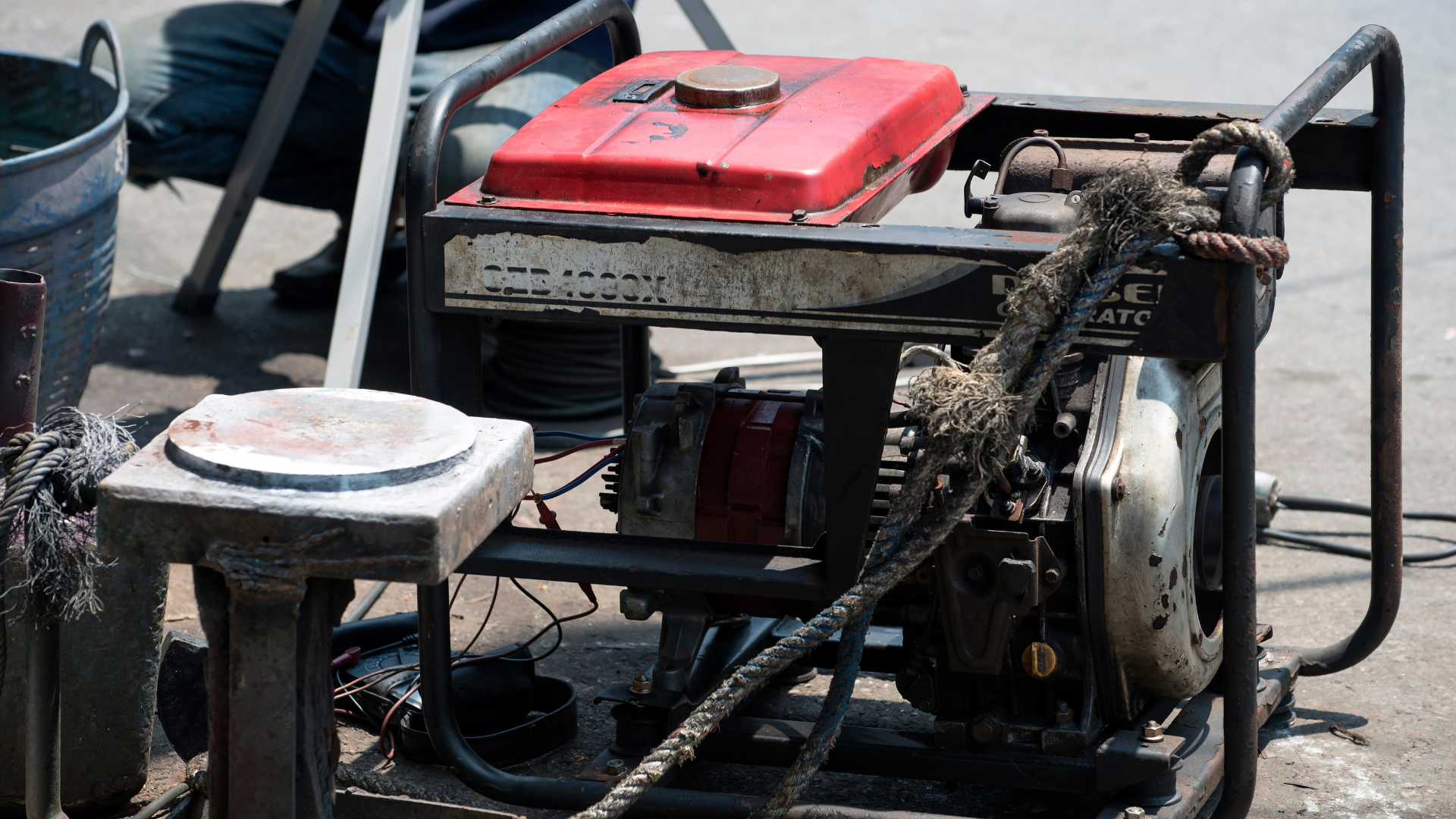
Machinery often operates under high temperatures, making heat resistance an important characteristic of industrial oil. Oils that can withstand elevated temperatures maintain their chemical integrity, reducing the risk of breakdown and ensuring consistent performance. Choosing heat-resistant oil contributes significantly to the reliability and longevity of equipment.
6. Regular Oil Changes
Routine oil changes are essential for maintaining the performance and extending the lifespan of machinery. Over time, oil can become contaminated with dirt, debris, and metal particles, losing its effectiveness. Following the manufacturer’s recommendations for oil change intervals helps ensure that machinery remains well-protected and operates efficiently.
Conclusion
Industrial oil is an effective solution for enhancing machinery performance and longevity. By understanding the types of oils available, assessing viscosity, and ensuring regular maintenance, you can optimize the lifespan of your equipment. Investing in quality industrial oil not only protects your machinery but also provides long-term economic benefits. Prioritize the choice of industrial oil to ensure that your equipment consistently operates at peak performance!
 Contact us