
Introduction to Gear Oil
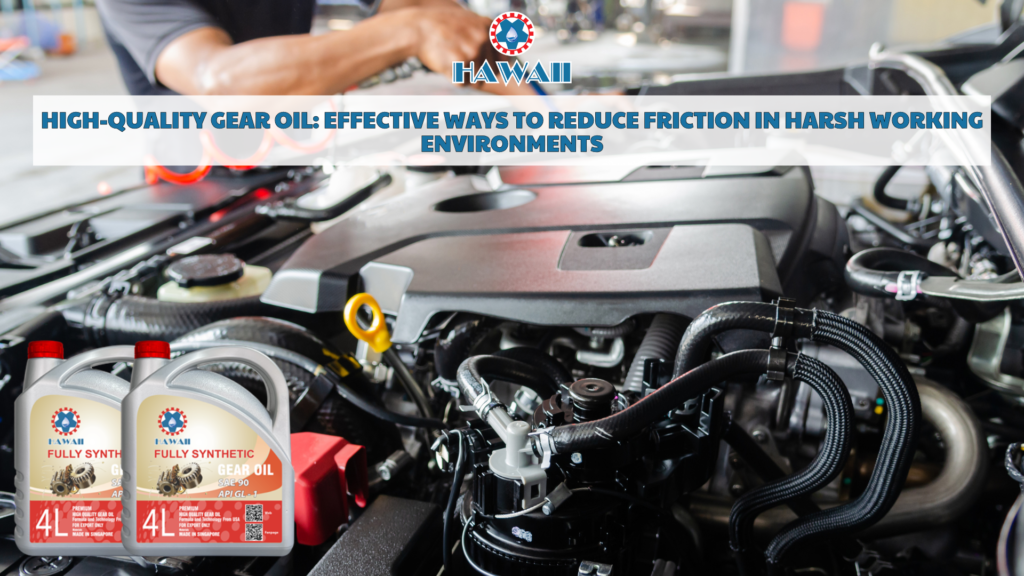
Gear oil is a crucial factor in maintaining the operational efficiency of mechanical power transmission systems. Especially in harsh working environments, selecting the right type of oil can minimize friction and wear, thereby extending the lifespan of equipment. In this article, we will explore how high-quality gear oil can provide optimal results for power transmission systems.
Why Gear Oil Is Important
Gear oil serves not only as a lubricant but also plays a role in cooling, noise reduction, and preventing sludge formation. During operation, gears endure high pressure and friction, making the use of high-quality oil essential. Suitable gear oil helps engines run more smoothly, reduces the risk of breakdowns, and saves on maintenance costs.
Characteristics of High-Quality Gear Oil
High-quality gear oils often contain special additives that enhance lubrication and reduce friction. These products are designed to withstand high temperatures and heavy loads, protecting gears from wear. Moreover, premium gear oils have anti-oxidation and anti-corrosion properties, which increase the durability of the equipment.
How Gear Oil Reduces Friction
Gear oil acts as a lubricating film between the contact surfaces of gears. When high-quality oil is used, this film helps decrease frictional forces, thereby reducing heat and wear. This not only allows machinery to operate more smoothly but also improves overall performance, extending the service life of the equipment.
Choosing the Right Gear Oil
When selecting gear oil, it is important to consider factors such as viscosity, chemical properties, and the manufacturer’s requirements. The viscosity of the oil must be appropriate for the working conditions and load of the system. Refer to the equipment manufacturer’s guidelines to select the most suitable gear oil for your needs.
When to Change Gear Oil
Regularly changing gear oil is crucial to ensure optimal performance. Depending on working conditions and the type of oil used, the oil change interval may differ. Monitor the condition of the oil and change it according to the manufacturer’s recommendations to protect the equipment from wear and damage.
Periodic Inspections
In addition to regular oil changes, you should also perform frequent inspections of the oil condition. Pay attention to the oil’s color, viscosity, and odor. If the oil appears dark, contains sludge, or has a burnt smell, it may indicate that an oil change is necessary to protect the gears.
Conclusion
High-quality gear oil plays a vital role in reducing friction and protecting equipment in harsh working environments. By selecting quality oil, monitoring its condition, and performing timely changes, you can ensure that your power transmission system operates smoothly and efficiently. Investing in quality gear oil not only enhances performance but also reduces long-term maintenance costs. Focus on choosing and using the right gear oil to optimize your production processes.
 Contact us