
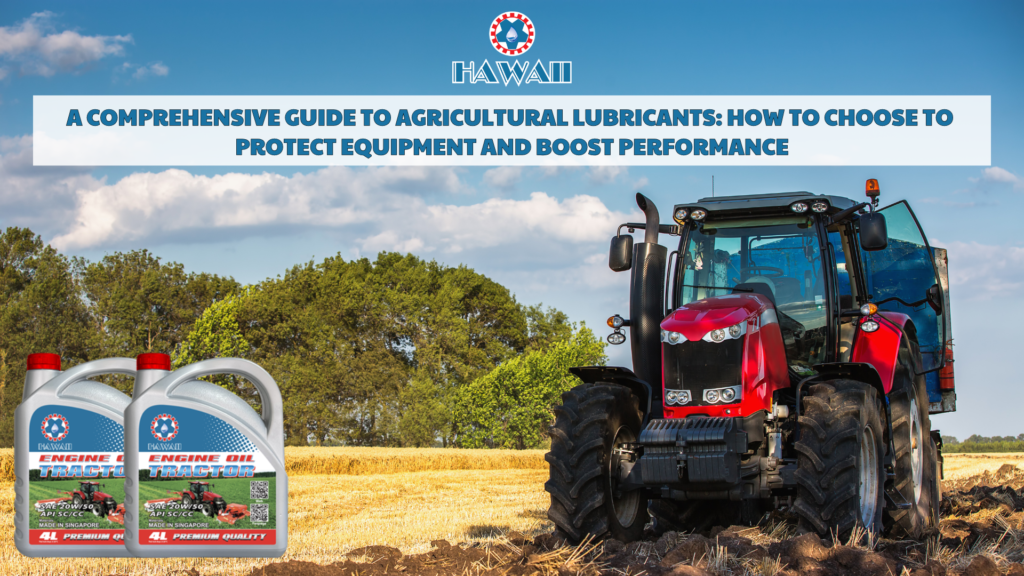
A Comprehensive Guide to Agricultural Lubricants: How to Choose to Protect Equipment and Boost Performance
- posted by: advietbai
- Không có phản hồi
1. The Importance of Agricultural Lubricants
Agricultural lubricants play a crucial role in the performance and longevity of farming equipment. These specialized oils and greases are designed to provide essential lubrication for machinery operating under challenging conditions, such as extreme temperatures and heavy loads. By minimizing friction and wear, high-quality lubricants not only enhance the efficiency of equipment but also reduce the likelihood of costly breakdowns and repairs. Understanding the importance of these lubricants is the first step toward optimizing your agricultural operations.
2. Types of Agricultural Lubricants
There are several types of agricultural lubricants available, each formulated for specific applications. Engine oils, hydraulic fluids, gear oils, and greases are the most common categories. Engine oils are vital for internal combustion engines, while hydraulic fluids are essential for systems that rely on hydraulic power. Gear oils provide lubrication for gears and differentials, while greases are used in bearings and other applications where a thicker lubricant is needed. Choosing the right type of lubricant for each application is key to ensuring optimal performance and protection.
3. Understanding Viscosity Ratings
Viscosity is a critical factor in selecting agricultural lubricants. It refers to the thickness of the oil and its ability to flow at various temperatures. The Society of Automotive Engineers (SAE) provides viscosity ratings that help users identify the appropriate lubricant for different environmental conditions. For example, a lubricant with a lower viscosity rating is better suited for cold weather, while a higher viscosity oil is ideal for high-temperature applications. Always check the equipment’s manual for recommended viscosity ratings to ensure you’re using the right product.
4. The Role of Additives in Lubricants
Many agricultural lubricants contain additives that enhance their performance. These additives can serve various purposes, such as improving oxidation stability, reducing foam, preventing rust, and enhancing viscosity. For example, anti-wear additives protect metal surfaces from damage during operation, while detergents help keep the oil clean by preventing sludge formation. When selecting lubricants, it’s essential to consider the presence of these additives and how they can benefit your specific equipment.
5. How to Choose the Right Lubricant
Choosing the right agricultural lubricant involves several key considerations:
- Manufacturer Recommendations: Always refer to the equipment manufacturer’s guidelines for lubricant specifications. Following these recommendations ensures compatibility and optimal performance.
- Operating Conditions: Take into account the working environment, including temperature ranges, humidity, and the types of loads your equipment will experience. This will help you select a lubricant that can withstand specific conditions.
- Application Type: Different machinery requires different types of lubricants. For instance, engine oils are not suitable for hydraulic systems, so knowing the application is crucial.
6. Regular Maintenance and Monitoring
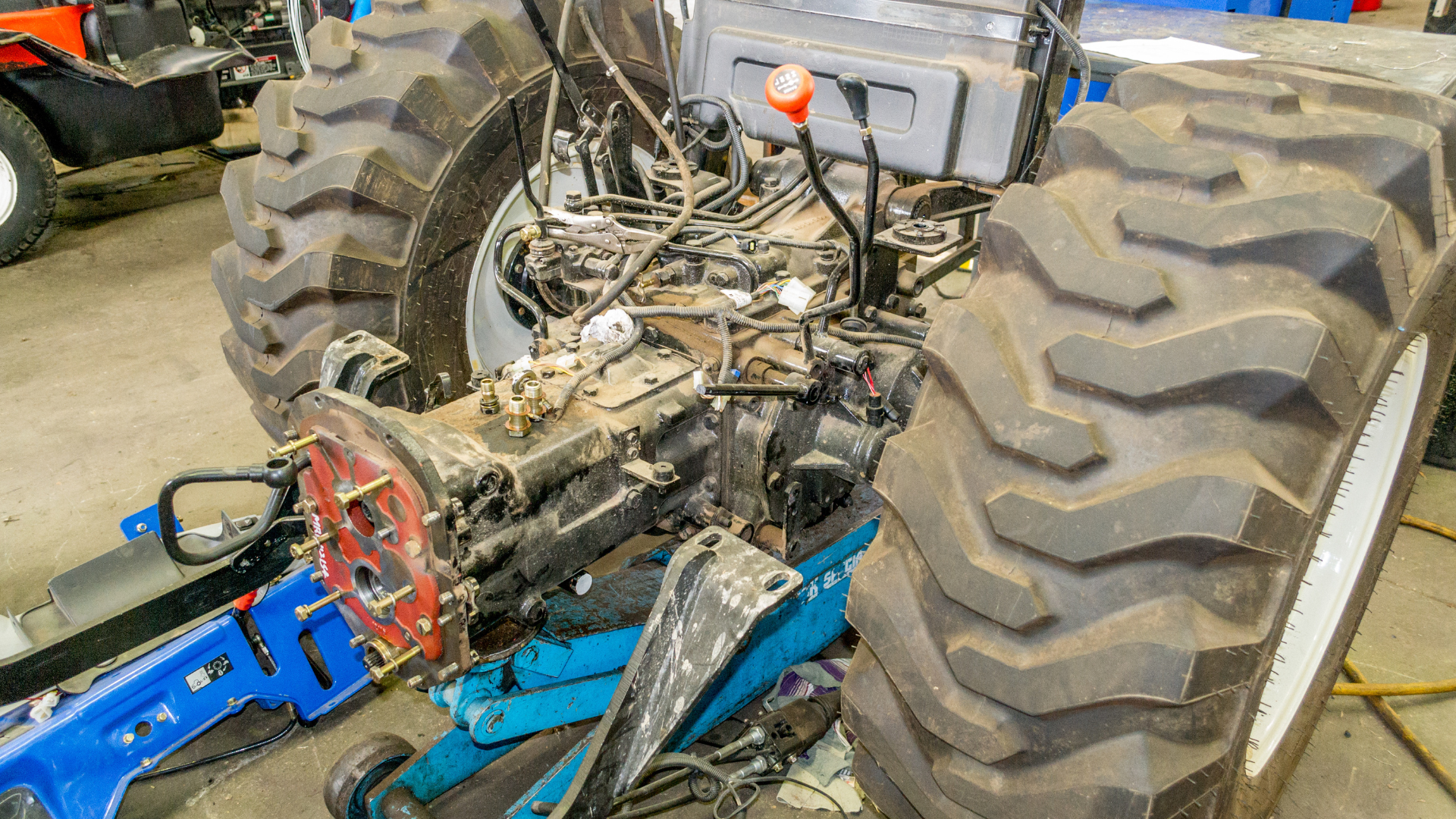
Regular maintenance and monitoring of lubricant levels are essential for maximizing equipment performance. Establish a routine that includes checking fluid levels, inspecting for leaks, and changing lubricants according to the manufacturer’s recommendations. Keeping an eye on lubricant condition can also help detect potential problems early. Using oil analysis can provide valuable insights into the health of your lubricants and equipment, allowing you to make informed maintenance decisions.
7. The Environmental Impact of Lubricants
When selecting agricultural lubricants, it’s important to consider their environmental impact. Biodegradable lubricants are becoming increasingly popular in the agricultural sector due to their reduced environmental footprint. These products break down more easily in the environment, minimizing the risk of contamination. Choosing environmentally friendly lubricants not only helps protect the ecosystem but can also enhance your farm’s sustainability practices.
8. Conclusion
Agricultural lubricants are vital for protecting equipment and enhancing performance in the demanding environment of farming. By understanding the types of lubricants, viscosity ratings, and the role of additives, you can make informed choices that optimize operational efficiency. Regular maintenance, monitoring, and considering environmental impacts further contribute to sustainable practices in agriculture. Investing in the right lubricants will not only extend the life of your equipment but also improve productivity, ultimately benefiting your bottom line. Make informed decisions to ensure your agricultural operations run smoothly and efficiently for years to come.
 Contact us